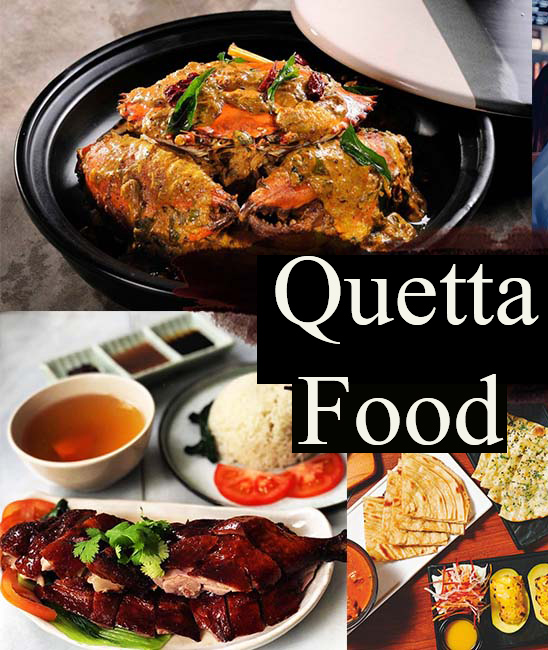
How Quetta food direcotry will help you in the future. our services
When building a **food directory website** (like Yelp, Zomato, or a niche local directory), you need to structure it so users can easily discover food businesses and trust the information. Here are the **most important elements** to include:
—
# ✅ **Core Elements of a Food Directory Website**
## **1. Comprehensive Listing Profiles**
Each food business listing should include:
* Name, address, phone, email
* Opening hours
* Cuisine type(s)
* Menu (PDF, images, or text)
* Price range
* Photos of dishes, interior, and exterior
* Website + social media links
* Google Maps integration for location
—
## **2. Powerful Search & Filters**
This is critical for usability. Allow users to search by:
* Cuisine (Italian, Indian, vegan, etc.)
* Location (city, neighborhood, radius)
* Price
* Rating
* Open now / hours
* Delivery / takeaway availability
* Dietary needs (gluten-free, halal, kosher, etc.)
—
## **3. User Reviews & Ratings**
Reviews help build trust. Include:
* Star ratings for food, service, ambiance
* Text reviews
* Photo reviews
* Verified visit/delivery tags
* Moderation and flagging options
—
## **4. Map-Based Browsing**
A map view (like Google Maps integration) allows users to:
* See nearby restaurants
* Filter by location visually
* Click pins to open listings
—
### **Admin Dashboard**
* Approve/verify listings
* Review spam
* Feature/promote listings
* Manage users
—
## **6. Mobile-Friendly Design (Responsive or App)**
Most food directory traffic is mobile.
Ensure:
* Fast loading
* Easy scroll & tap
* Click-to-call buttons
* GPS detection
—
## **7. Monetization Features (Optional but important)**
If you plan to earn from the directory:
* Featured (paid) listings
* Ads (Google AdSense or custom)
* Commission on orders (if integrating delivery)
* Subscription plans for restaurants
—
## **8. Booking, Delivery, or Pre-Order Integrations**
Depending on your goals:
* Table reservations (API or booking partners)
* Online ordering links
* Delivery partners integration
—
## **9. High-Quality Photos**
Food directory users often judge restaurants by appearance.
Allow:
* User photos
* Business photos
* Auto-optimized image compression
—
## **10. Trust & Verification Systems**
To avoid fake listings:
* Verification badges
* Required business documents (admin-view only)
* “Verified menu” or “Verified owner” tags
—
## **11. SEO-Friendly Structure**
Essential for traffic growth:
* Schema markup for restaurants
* Searchable, indexable profiles
* Human-friendly URLs
* Review snippets on Google
—
## **12. Local Discovery Features**
* “Near me” functionality
* Trending restaurants
* New openings
* Curated lists (Top 10 Burgers, Best Vegan Spots, etc.)
—
# ✅ **Bonus Features (Nice to Have)**
* Dark mode
* Social sharing
* Bookmark/favorites
* Loyalty points or badges
* Chatbot or customer support integration
—
# 🎯 **Summary**
The most important elements of a food directory website are **accurate listings, great search & filters, user reviews, map integration, vendor/admin dashboards, and a mobile-friendly experience**. Add monetization and trust systems to make it professional and profitable.
—
If you want, I can also help you with:
👉 A **site map**
👉 A **database schema**
👉 Choosing the right tools (WordPress, Laravel, React, etc.)
👉 A full **feature checklist** or **business model plan**
Just tell me!

Leave a Reply